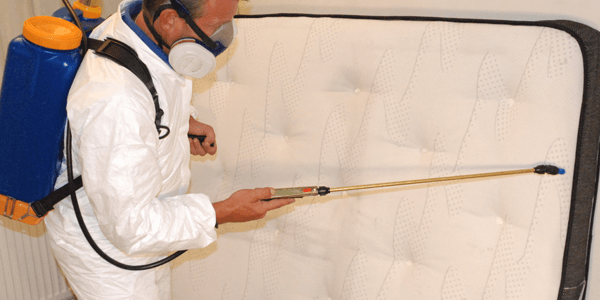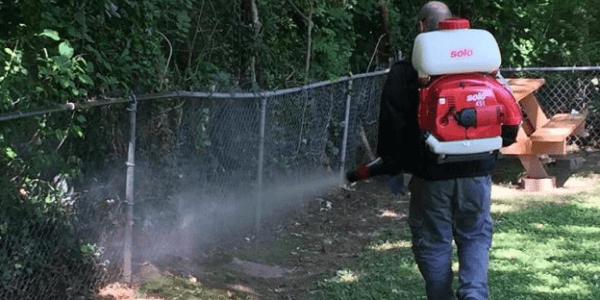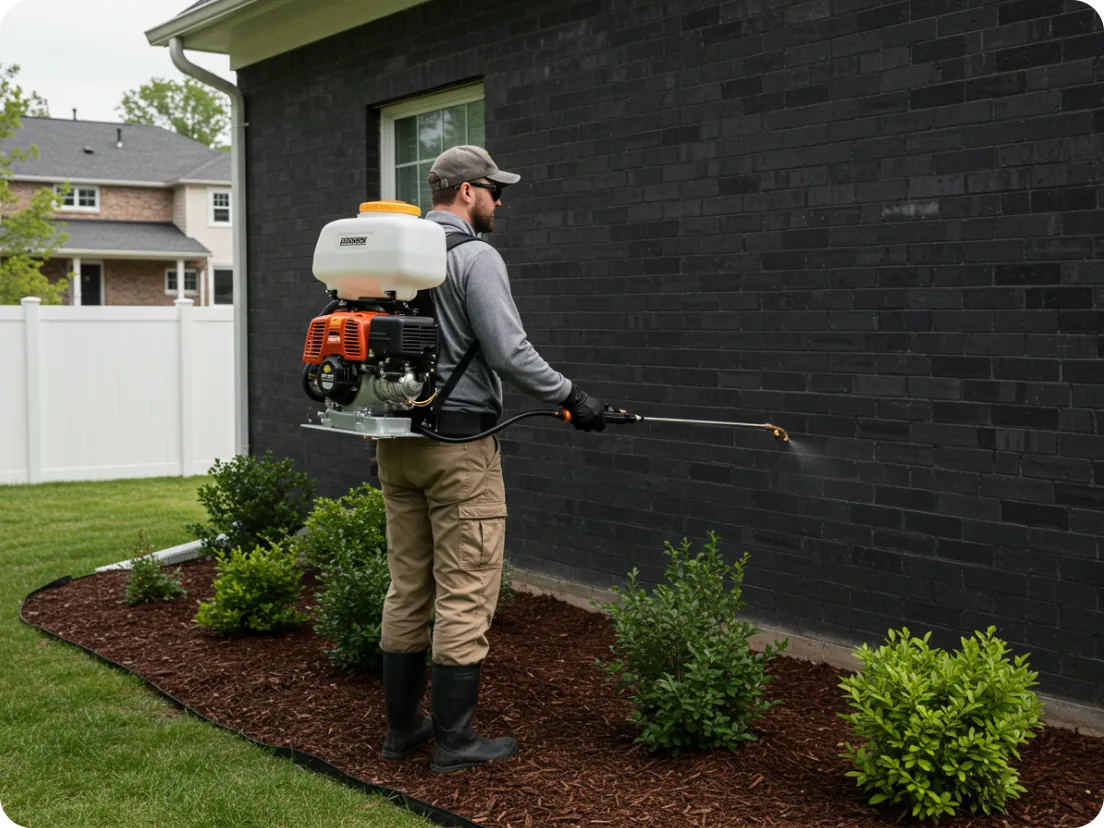


The cost for pest control in 2026 typically falls between $94 and $565, with an average cost of around $188. These figures depend on factors such as the type of pest, the size of your property, and the treatment method used.
Pest control is not just about removing bugs or rodents; it is about protecting your home, your health, and your peace of mind. Ants in the pantry, roaches behind the fridge, rats in the attic… these problems can escalate quickly if not handled properly. Knowing what to expect in terms of cost helps you act fast and choose the right solution without second-guessing.
Dive into this page as it offers a comprehensive guide to pest control pricing, helping you navigate the cost variations and understand what influences these expenses. By the end, you will be able to make informed decisions and choose the best pest control service that aligns with both your needs and your budget.
Types of Pest Control and How Much They Cost
Pest control encompasses a variety of services aimed at eliminating or managing different pests such as insects, rodents, termites, and wildlife. Pricing for these services can vary widely depending on factors such as the scope of the infestation, urgency, complexity, materials used, and geographic location.
| Type of Service | Cost | Features |
|---|---|---|
General Pest Control | $94 - $565 | Routine treatments that target common household pests like ants, spiders, and roaches. |
Termite Inspection and Treatment | $82 - $1,885 | Comprehensive termite inspections[1] followed by chemical or bait treatments to prevent damage. |
Rodent/Rat Exclusion and Removal | $120 - $747 | Sealing entry points and removing rodents such as rats and mice from indoor and outdoor areas. |
Roach Pest Control | $98 - $647 | Comprehensive treatments to control cockroach infestations, using gel baits[2], sprays, and insect growth regulators. |
Ant Pest Control | $88 - $521 | Treatments focused on eliminating indoor and outdoor ant colonies, using baiting systems, perimeter sprays, and residual insecticides. |
Spider Pest Control | $88 - $490 | Control of indoor and outdoor spider populations through residual sprays, web removal, and sealing access points. |
Bed Bug Extermination[3] | $824 - $5,041 | Specialized treatments to eliminate bed bug infestations, often requiring multiple visits. |
Wildlife Removal | $184 - $1,175 | Humane trapping and removal of animals like raccoons[4], squirrels, or bats from properties. |
Fumigation Services | $1,872 - $7,973 | Whole-structure fumigation to eradicate severe pest infestations, including termites and beetles. |
Rat Pest Control Costs
Rat pest control focuses on eliminating rodent infestations through methods such as bait stations, traps, and sealing entry points to prevent re-infestation[5]. This service is essential for safeguarding both residential and commercial properties from the health hazards and structural damage caused by rats.
Costs typically range from $120 to $747, with an average of $381. Key cost factors include the extent of the infestation, size of the property, and the complexity of exclusion work required.
Roach Pest Control Costs
Roach pest control targets cockroach infestations through comprehensive treatments that may include gel baits, insect growth regulators, and residual sprays[6]. Due to the resilient nature of roaches and their rapid reproduction, professional treatment is often necessary to achieve full eradication.
The cost usually falls between $98 and $647, with an average cost of $218. Factors influencing the price include infestation severity, property size, and treatment method selected.
Ant Pest Control Costs
Involves identifying the species and applying targeted treatments such as non-repellent insecticides, baits, and perimeter sprays[7]. This service addresses both indoor and outdoor colonies, ensuring long-term control.
Prices generally range from $88 to $521, with an average of $177.
Primary cost drivers include the type of ant (such as carpenter ants vs. nuisance ants), property size, and the complexity of the infestation.
Spider Pest Control Costs
This sort of pest control aims to manage spider populations through treatments like residual insecticide sprays, web removal, and exclusion techniques to limit indoor access. While most spiders are harmless, some species, like the brown widow[8], can pose risks to health, making professional control advisable.
Service costs typically range from $88 to $490, with an average of $213. The overall cost depends on the type of spiders present, property size, and treatment frequency needed for effective control.
Price Per Hour: How Much Does Pest Control Cost?
Pest control hourly rates can vary widely depending on the type of pest, the size of your property, and the treatment methods used. Generally, pest control professionals charge based on the time spent inspecting, treating, and following up to ensure pests are fully eradicated and prevented from returning.

On average, hourly pest control rates reflect both labor and materials, although some companies may charge flat fees depending on the service.
From basic inspection and spot treatment to more extensive infestation control, hourly labor charges typically cover the technician's time and expertise. Also, keep in mind that some other factors might affect your budget.
8 Factors That Affect Pest Control Cost
The cost of pest control services is not a one-size-fits-all figure. Several unique factors influence how much you will pay, as the treatments vary widely depending on the situation. Being aware of these key cost drivers can help you assess quotes more effectively and choose the right solution for your needs.
- Type of Pest: Different pests require different treatments. Termites, bed bugs, rodents, and ants all need specialized approaches, with some infestations like bed bugs[9] typically costing more due to their stubborn nature.
- Severity of Infestation: A minor infestation usually costs less to treat since it takes less time and fewer materials, while heavy or widespread infestations require longer service and more intensive treatments.
- Property Size and Layout: Larger homes or properties with many entry points, crawl spaces, or multi-level structures often increase the labor and treatment time, affecting overall costs.
- Treatment Method: Chemical application, baiting systems, heat treatments[10], or integrated pest management techniques have varying costs, equipment requirements, and application times that impact hourly rates.
- Frequency of Service: One-time treatments might be less expensive upfront, but could cost more over time if the pests return. Regular maintenance plans can sometimes reduce hourly and per-service costs.
- Access to Infested Areas: If pests are located in hard-to-reach spaces such as attics, basements, or walls, technicians may need extra time and tools, increasing labor charges.
- Geographical Location: Regional labor rates, local regulations on pesticide use[11], and the prevalence of certain pests can all affect pricing from one area to another.
- Emergency or After-Hours Service: If you need pest control quickly or outside of regular business hours, expect higher hourly costs reflecting the urgency and convenience.
The following topics will answer all your questions on many of these factors. Keep reading!
Pest Control Costs by Property Size and Infestation Scale
Larger homes or commercial spaces typically require more extensive treatments, increasing labor and material costs. Similarly, severe infestations often need more intensive and repeated applications, which can affect the overall price. Understanding how these factors influence pest control pricing can help you budget effectively and choose the appropriate service level.
Small Residential Properties (up to 1,000 sq ft)
This category often includes apartments, condos, or small houses. Pest control treatments[12] for these properties are generally quicker and require fewer materials.
- Treatment typically covers common pests like ants, spiders, or occasional roaches.
- Cost ranges from $88 to $281, with an average of $165.
- Ideal for standard monthly or quarterly maintenance plans if prevention is the primary goal.
Medium Residential Properties (1,000-2,500 sq ft)
Medium-sized homes usually need more thorough inspections and treatments due to increased space and potential entry points for pests.
- Services address a wider variety of pests, including rodents[13] and occasional termite treatments.
- Cost ranges from $130 to $684, averaging around $319.
- May require additional visits depending on the infestation severity.
Large Residential Properties and Small Commercial Spaces (2,500-5,000 sq ft)
These larger properties demand more comprehensive coverage, possibly involving multiple treatment zones.
- Common treatments include advanced pest control strategies for pests like bed bugs, termites, and rodents.
- Price range extends from $289 to $3,699, with an average cost of $962.
- Extended treatment plans or combination services may be recommended.
Commercial and Industrial Properties (over 5,000 sq ft)
Large-scale commercial properties such as warehouses, office buildings[14], and restaurants[15] require tailored pest control plans that account for complex layouts and regulatory compliance.
- Treatments include ongoing pest management programs, including monitoring, bait installation, and sanitation advice.
- Pricing varies widely from $490 to $5,225, with an average of $1,976.
- Contracts may be annual with monthly or quarterly inspections and treatments included.
Severe or Widespread Infestation Treatments
When infestations are extensive throughout the property or deeply embedded (e.g., termite colonies or bed bug infestations), costs increase to cover intensive labor and specialized chemicals or equipment.
- Services may include structural treatments, fumigation, or multiple follow-ups.
- Costs typically range from $492 to $3,696, averaging $1,547.
- These treatments often require expert consultation and detailed inspection before pricing.
The main tip to get accurate quotes according to the size of your property is to talk to a pro and get an estimate, but the next topic also exemplifies some of the costs you might face.
Examples of Common Pest Control Costs
Pest control costs vary widely depending on the type of pest, the extent of the infestation, and the treatment method used. The following table outlines common pest control services along with their typical price ranges to help homeowners estimate potential expenses:
| Type of Labor | Cost | Details |
|---|---|---|
General Pest Inspection | $74 - $289 | One-time inspection fee, usually required before treatment |
Residential Extermination | $94 - $289 | Includes ants, spiders, cockroaches, and similar pests |
Rodent Control | $144 - $1,186 | Includes trapping, baiting, and sealing entry points |
Flea and Tick Treatment | $61 - $395 | Often part of pet and yard treatments |
Some companies may offer monthly or quarterly plans at a different pricing structure than one-time visits.
Emergency Pest Control Services: How Much Will You Pay?
Urgent treatments are required to address severe infestations or pest sightings that demand immediate attention, often outside of regular business hours. These services typically cost more than standard appointments due to the need for rapid response and specialized equipment, reaching $930 per visit.

Although the graphic above shows you an average cost for emergency pest control services, the final price depends on factors like pest type, infestation severity, time of service (nights, weekends, or holidays), and location.
DIY vs. Professional Pest Control: Cost Comparison and Risks
When it comes to pest control, the best advice is: do not do it yourself! Professional pest control services not only provide safer and more thorough solutions but can also save you money over time by preventing recurring infestations and potential damage.
Here is a smart comparative when it comes to costs.

DIY pest control may seem less expensive initially, as store-bought sprays, baits, and traps are readily available at lower costs. However, professional services include not only more potent commercial-grade products but also expert inspection, tailored treatment strategies, and follow-up visits to ensure the problem is fully resolved.
Risks of DIY Pest Control
- Incomplete Eradication: Lack of specialized knowledge can lead to missed pests that cause recurring problems.
- Health and Safety Hazards: Incorrect use of chemicals may harm you, your family, pets, or the environment.
- Property Damage: Ineffective treatment can result in structural damage by pests left untreated.
- Wasted Money: Repeated purchase of ineffective products increases overall spending.
Advantages of Hiring Pest Control Professionals
- Expert Assessment: Pros accurately identify the type of pest and infestation extent to tailor treatments effectively.
- Use of Advanced Products and Equipment: Professionals have access to safer and more powerful solutions unavailable to the general public.
- Long-Term Solutions: Customized plans minimize future pest issues, saving time and money.
- Peace of Mind: Licensed technicians ensure treatment complies with safety and environmental regulations.
Although doing the task by yourself seems attractive, there are other (safer) ways to save money on this sort of project.
Best Tips: How to Save on Pest Control Costs
Managing pest control expenses can be manageable if you follow a few practical strategies geared toward maximizing value without compromising effectiveness. Below are some realistic tips to reduce your pest control costs!
- Regular Maintenance: Prevent infestations with routine home inspections and sealing entry points.
- Early Detection: Address minor pest problems immediately before they escalate.
- Bundle Services: Combine pest control with related home maintenance tasks to get package discounts.
- Compare Quotes: Obtain multiple estimates from reputable companies to find competitive pricing.
- Seasonal Scheduling: Plan treatments during off-peak seasons when rates may be lower.
- DIY Preparation: Handle simple prep steps yourself, such as cleaning and decluttering, to reduce technician time and fees.
- Ask about Guarantees: Opt for companies offering free follow-up treatments if pests return, reducing additional out-of-pocket costs.
Ready to get effective, affordable pest control tailored to your needs? Contact the trusted professionals at homeyou today to compare expert providers in your area and secure the best deal possible. Hiring a pro through homeyou saves you time, stress, and money in the long run, because protecting your home and health should never be compromised.
Frequency depends on pest pressure, climate, and your home's risk factors. Many homeowners use seasonal or quarterly visits for prevention, then add targeted visits if activity appears. If you have recurring issues or live near woods or water, a more frequent plan may help reduce re-infestations.
Clear access to baseboards, sinks, and problem areas, and put away food, dishes, and pet bowls. Vacuum and declutter so the technician can inspect thoroughly and place baits correctly. Follow any prep instructions for the specific pest, especially for kitchens, bathrooms, and laundry areas.
Professional treatments can be performed safely when products are selected appropriately and label directions are followed. Ask what will be applied, where it will be placed, and how long areas should stay off-limits. Baits are often placed in tamper-resistant stations, but precautions still matter.
Some treatments provide quick knockdown, while others work gradually, especially baits that rely on pests carrying product back to nests. It is common to see activity change for several days as populations decline. Your provider should explain what “normal” post-treatment activity looks like.
An initial inspection typically looks for entry points, nesting areas, moisture sources, and signs like droppings, grease marks, or frass. The technician may check attics, basements, crawl spaces, and exterior perimeter. You should receive a treatment plan explaining recommended methods, follow-ups, and prevention steps.
Ask whether the technician is licensed and insured, what products and methods will be used, and whether they follow integrated pest management. Confirm the service guarantee, follow-up policy, and what you must do to prevent return. Also ask how they handle sensitive situations like pets, gardens, and allergies.
Extra costs often come from exclusion work such as sealing gaps, screening vents, or repairing damaged entry points. Hard-to-access areas can add labor, and severe infestations may require multiple visits. Some pests also require specialized equipment or monitoring devices, which can change the scope after inspection.
Pest control can eliminate current infestations, but “permanent” results depend on preventing re-entry and removing attractants. Homes are continually exposed to pests through openings, landscaping, food sources, and moisture. Ongoing maintenance, sealing entry points, and sanitation improvements usually provide the most durable protection.
References
[1] PestWorld. What Is a Termite Inspection and Why Do You Need One? 8 Nov. 2023, [www.pestworld.org/news-hub/pest-articles/what-is-a-termite-inspection](http://www.pestworld.org/news-hub/pest-
articles/what-is-a-termite-inspection).
[2] Research Report: The Perfect Meal: Determining How Aging Effects Cockroach Gel Bait Performance. www.npmapestworld.org/content-pages/technical-resources/pmf-research-reports/research-report-the-perfect-meal-determining-how-aging-effects-cockroach-gel-bait-performance.
[3] National Pest Management Association. "NPMA Debuts ‘Bed Bugs Exposed': A Series Revealing How These Sneaky Pests Invade Your Home." Pest World, 3 June 2026, www.pestworld.org/multimedia-center/press-releases/npma-debuts-bed-bugs-exposed-a-series-revealing-how-these-sneaky-pests-invade-your-home.
[4] Research Report: A Non-Lethal Technique for Raccoon Removal From Human-occupied Structures. www.npmapestworld.org/content-pages/technical-resources/pmf-research-reports/research-report-a-non-lethal-technique-for-raccoon-removal-from-human-occupied-structures.
[5] What Exclusion Techniques Work for Rodents? - StopPests.org. www.stoppests.org/frequently-asked-questions/what-exclusion-techniques-work-for-rodents/?keywords=rats.
[6] Developing a Pest Exclusion Program for Cockroaches and Rodents - StopPests.org. www.stoppests.org/ipm-training/training-opportunities/stoppests-webinars/developing-a-pest-exclusion-program-for-cockroaches-and-rodents/#7.
[7] Research Report: Impact of Ant Control Technologies on Insecticide Runoff and Efficacy. www.npmapestworld.org/content-pages/technical-resources/pmf-research-reports/research-report-impact-of-ant-control-technologies-on-insecticide-runoff-and-efficacy.
[8] Research Report: Efficacy of Several Pesticide Products on Brown Widow Spider (Araneae: Theridiidae) Egg Sacs and Their Penetration Through the Egg Sac Silk. www.npmapestworld.org/content-pages/technical-resources/pmf-research-reports/research-report-efficacy-of-several-pesticide-products-on-brown-widow-spider-araneae-theridiidae-egg-sacs-and-their-penetration-through-the-egg-sac-silk.
[9] BedBugs.org - the Web's #1 Bed Bug Resource. www.bedbugs.org.
[10] "Controlled Environment Heat Treatment as a Safe and Efficient Method of Pest Control." Permission-implied, cool.culturalheritage.org/byauth/nicholson/heatpest.html.
[11] "Documents: 2002 to Present." Association of American Pesticide Control Officials, 26 Aug. 2024, aapco.org/documents.
[12] Larramendy, Marcelo L., and Sonia Soloneski. "Integrated Pest Management and Pest Control - Current and Future Tactics." InTech eBooks, 2012, https://doi.org/10.5772/1383.
[13] Jankovic, Ljiljana, et al. "Rodent Pest Control." Veterinarski Glasnik, vol. 73, no. 2, Jan. 2019, pp. 85-99. https://doi.org/10.2298/vetgl190507020j.
[14] Bruesch, Jay C.. "Institutional pest management: current trends." Executive housekeeping today 15 5 (1994): 6-12 , https://pubmed.ncbi.nlm.nih.gov/10134138/.
[15] Kloosterman, L., and K. Mager. "Pest Control in Food Businesses: An Introduction." Elsevier eBooks, 2014, pp. 465-93. https://doi.org/10.1533/9780857098634.3.465.